Solar panels with built-in outlets offer a practical solution for powering devices using sunlight, treating it as a renewable energy source. These versatile panels are perfect for travelers, campers, or anyone seeking reliable backup power in emergencies. With the growing demand for sustainable energy solutions, understanding how these systems work is crucial. This blog explores the functionality of solar panels with outlets, discussing what devices they can power and how to select the ideal panel for your needs. Discover the benefits and limitations of solar energy for powering your electronics at home or on the go, providing a cleaner, greener alternative to traditional power sources without sacrificing convenience or reliability.
How a Solar Panel With Outlet Works
Turning Sunlight Into Usable Electricity
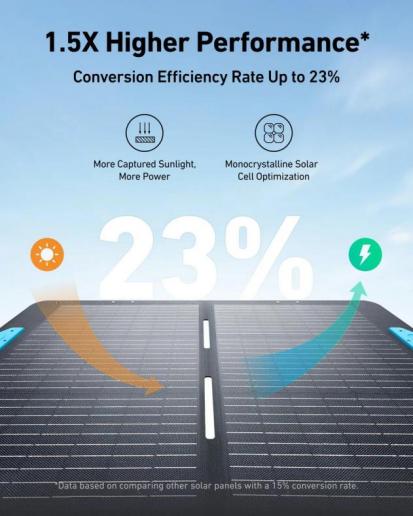
Solar panels convert sunlight into electricity through photovoltaic (PV) cells made of semiconductor materials, typically silicon. When sunlight hits these cells, it generates an electrical current. The PV cells harness this energy, which is direct current (DC), and then inverter systems convert it to alternating current (AC) for everyday use. This conversion is vital because most household and personal devices use AC power. A solar panel with a solar outlet incorporates an inverter within its system, allowing users to access this AC power directly from the panel. These panels are designed to produce energy efficiently, utilizing maximum power point tracking technology to optimize power generation even in less-than-ideal lighting conditions.
Built-In Outlets, USB Ports, and Power Regulation
Modern solar panels with outlets come equipped with various charging ports, including standard AC outlets and USB ports. These components make it easy to charge a wide range of devices without additional adapters. The outlets provide direct access to the converted AC power, while USB ports allow for DC charging of portable electronics such as phones and tablets. Solar panels with built-in outlets also feature power regulation components to ensure stable energy delivery. Regulation is crucial to prevent damage to the devices being charged, as fluctuations in power output can potentially harm delicate electronics. Advanced models include smart technology that adjusts output depending on the connected device’s requirements for optimized charging efficiency.
Direct Power vs Stored Power With Batteries
Solar panels can power devices directly or store energy in batteries for later use. Direct power enables immediate device charging, drawing energy straight from the panel during daylight hours. Alternatively, integrating a battery storage system allows the energy collected during sunny periods to be used when sunlight is inadequate, such as at night or on cloudy days. Batteries are typically a part of larger solar setups, but portable panels sometimes include built-in rechargeable batteries for convenient energy storage. Choosing between direct and stored power solutions depends on user needs and environmental conditions. Panels with direct power are ideal for immediate use, while those with battery options offer flexibility and reliability in varied scenarios.
What Devices You Can Power With a Solar Panel With Outlet
Small Electronics Like Phones, Tablets, and Cameras
Solar panels with built-in outlets are perfect for small electronic devices. They easily charge smartphones, tablets, and cameras, making them ideal for travelers and outdoor enthusiasts. These devices typically require low power and can be connected directly via USB ports on the panel. Charging times vary depending on the panel’s wattage and sunlight intensity. For instance, a phone might take several hours to fully charge on a sunny day. These panels provide a sustainable and convenient solution for keeping small electronics powered, ensuring you’re connected and able to capture memories during adventures without relying on conventional power sources or worrying about running out of battery life.
Medium Devices Such as Laptops, Routers, and Fans
Medium devices like laptops, routers, and small fans can also be powered through solar panels with outlets. These devices usually demand higher wattage compared to phones or tablets, so selecting a panel with adequate capacity is essential. Laptops might require panels providing 50-100 watts for efficient charging, depending on the model and usage. Routers and fans need less power and can operate seamlessly under the right conditions. Calculating overall energy needs and understanding device specifications ensures effective power utilization. Solar panels with higher wattage and multiple outlets allow simultaneous charging of such medium devices, proving beneficial for maintaining productivity and comfort during power outages or when off-grid.
Limits for High-Watt Appliances and Power Tools
High-watt appliances and power tools typically exceed the capacity of standard solar panels with outlets, posing limitations. Devices requiring significant energy, such as microwaves, hairdryers, or power drills, demand more power than portable panels can deliver. Most panels designed for personal electronics range from 10 to 100 watts. Appliances and tools needing several hundred watts or more are best suited to larger, installed solar systems with dedicated inverters and battery storage. Understanding the wattage limitations is crucial in preventing overload or potential damage to the panel. For such high-watt devices, consider large-scale solar setups to ensure safe and reliable operation without compromising performance or safety.
How to Choose the Right Solar Panel With Outlet
Key Factors: Wattage, Port Types, and Efficiency
Selecting the right solar panel involves considering several key factors. First, determine the panel’s wattage output by evaluating the devices you plan to charge; higher wattage panels offer more power. Examine port types, ensuring compatibility with the devices’ charging needs—having a mix of AC outlets and USB ports provides versatility. Finally, efficiency is crucial; high-efficiency panels capture more sunlight and convert it into usable energy effectively. Check for maximum power point tracking technology and quality silicon materials to ensure optimal performance. Reviewing specifications and user reviews can help identify panels with high reliability and satisfaction rates, guiding you toward a suitable choice for your specific power needs.
Portability and Use Cases for Travel, Camping, and Home Backup
Portability is a significant consideration when choosing a solar panel with an outlet, especially for travel and camping use. Compact and lightweight panels are easier to transport, assemble, and store. Features such as foldability or integrated handles enhance usability. For home backup scenarios, select panels that balance portability with wattage to support essential devices during power outages. Panels serving dual purposes of travel and emergency backup offer versatility, making investments worthwhile. Assessing size, weight, and energy efficiency against intended use cases ensures the chosen solar panel meets expectations and delivers sufficient power while remaining easy to manage across different environments.
Reliable Options Like Anker SOLIX Solar Panels With Outlet
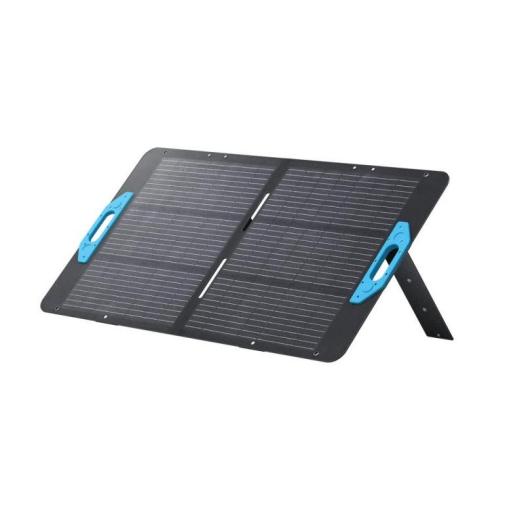
Anker SOLIX solar panels represent reliable options for those seeking high-quality solar charging solutions. Known for dependability and innovative design, these panels offer robust features like multiple charging ports, efficient energy conversion, and durable materials suitable for varied conditions. Anker’s panels are designed for excellent portability, making them ideal for outdoor adventures and emergency preparedness. Thorough reviews highlight their long-lasting performance, ease of use, and effectiveness in charging diverse devices. Considering renowned brands like Anker ensures peace of mind, knowing that you’re investing in technology that meets safety standards and delivers consistent power for your electronic needs, whether at home or on the move.
Conclusion
Solar panels with outlets empower users with sustainable and accessible energy solutions for powering devices everyday. They effectively charge small and medium electronics, enhancing connectivity and productivity in myriad situations. By understanding their operation, device compatibility, and selection criteria, users can make informed choices for home or travel needs. While limitations exist for high-watt appliances, portable panels offer valuable benefits in eco-friendly power generation. Investing in top brands like Anker ensures reliability and satisfaction. As solar technology continues to advance, these panels represent a step toward cleaner energy usage, supporting environmental consciousness alongside modern lifestyle conveniences.