Choosing a solar generator for home backup is about matching the system to your actual power needs. From short outages to extended blackouts, the right generator size can mean the difference between staying comfortable and constantly managing limitations. With modern solar generators offering expandable batteries and smart energy control, homeowners have more flexibility than ever. To make a confident choice, it helps to understand how generator size translates into real-world backup power.
How to Determine the Right Solar Generator Size for Home Backup?
The ideal solar generator size depends on what you want to power, how long you need backup, and how much flexibility you want in the future.
Start with Your Essential Power Needs
Begin by identifying the devices and appliances you want to run during an outage. Common essentials include lights, Wi-Fi routers, phones, refrigerators, medical equipment, and small kitchen appliances. Each device consumes a certain number of watts, and the total energy used over time is measured in watt-hours (Wh). This step provides a baseline for determining how much battery capacity you need.
Small Backup Needs: Under 2kWh
For apartments or small homes focused on basic essentials, a compact solar generator may be enough. Systems in this range can keep communication devices, lighting, and small electronics running for several hours. These generators are portable, easy to store, and ideal for short outages. They’re also a good option for renters who can’t install permanent systems.
Medium Backup Needs: 2kWh–5kWh
Homes that need to power refrigerators, laptops, fans, and multiple devices benefit from mid-sized solar generators. This range offers longer runtime and greater flexibility, especially when paired with solar panels for recharging during daylight hours. Systems like the Anker SOLIX F2000 with an expansion battery can double capacity, making them suitable for partial home backup during multi-day outages.
Large Backup Needs: 6kWh and Above
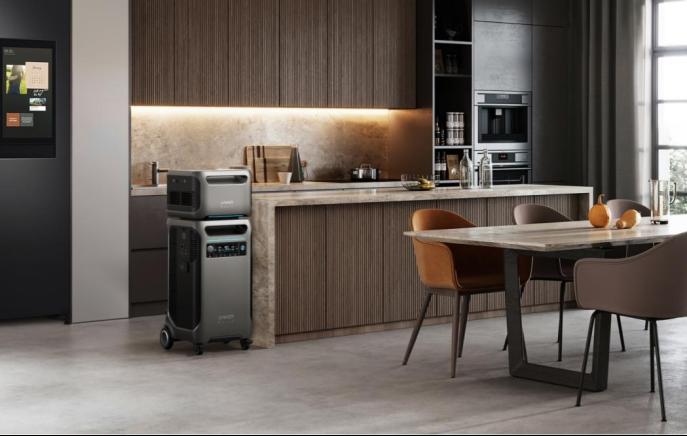
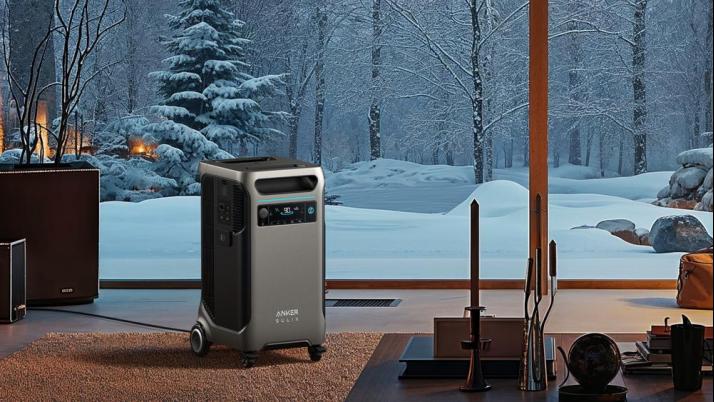
For whole-home or near whole-home backup, larger systems are required. These generators support higher output, longer runtimes, and often provide 120V/240V split-phase power for major appliances. High-capacity solar powered whole house generator systems, such as the Anker SOLIX F3800, are designed to scale from a few kilowatt-hours to tens of kilowatt-hours, allowing homeowners to power HVAC systems, well pumps, and even EV chargers during outages.
Consider Output Power, Not Just Capacity
Battery size determines how long power lasts, but output determines what you can run at once. Appliances like air conditioners and dryers require high surge and continuous wattage. Choosing a generator with sufficient output ensures devices start and run smoothly. Whole-house-capable generators are built to handle these demands safely.
Account for Outage Duration and Solar Input
If outages are short, battery capacity alone may be sufficient. For longer outages, solar input becomes critical. Generators that support high solar input can recharge quickly during the day, extending runtime indefinitely under good sunlight conditions. This feature is especially valuable in storm-prone or remote areas.
Plan for Future Energy Needs
Energy needs tend to grow over time. Adding an electric vehicle, upgrading appliances, or working from home can increase consumption. Expandable solar generators allow you to start small and add batteries later, protecting your investment and keeping your system future-ready.
Smart Energy Management Adds Efficiency
Modern solar generators include app-based monitoring that shows real-time energy use, battery levels, and charging status. This helps homeowners manage loads efficiently and avoid overloading the system during outages.
Conclusion
Overall, the right size solar generator for home backup depends on your energy priorities, home size, and outage expectations. Smaller systems handle essentials, while larger, expandable generators support partial or whole-home power. By evaluating both battery capacity and output and considering future needs, you can choose a system that delivers reliable backup without overspending. With scalable options like Anker SOLIX solar generators, home backup power becomes flexible, efficient, and ready for whatever comes next.